General
Easter in Cyprus: Traditions and Activities
Discover the unique Greek Orthodox Easter traditions in Cyprus. From Holy Week rituals to festive activities, learn how Cypriots celebrate this sacred season with joy and community spirit.
Moving Doors Team · · 2 min read
Overview
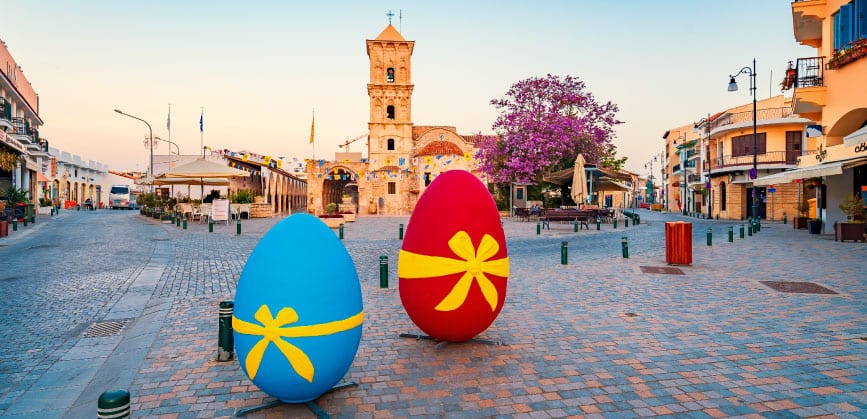
Easter, or Pascha, is the most significant religious celebration in the Greek Orthodox Church, and in Cyprus, it’s a time of profound tradition and communal joy. Here’s how Cypriots celebrate this holy season, marked by unique customs and activities that reflect the island’s rich cultural heritage.
Holy Week: A Time of Devotion
Holy Week in Cyprus is a period of intense religious observance and preparation. The week is dedicated to church-going, fasting, and baking.
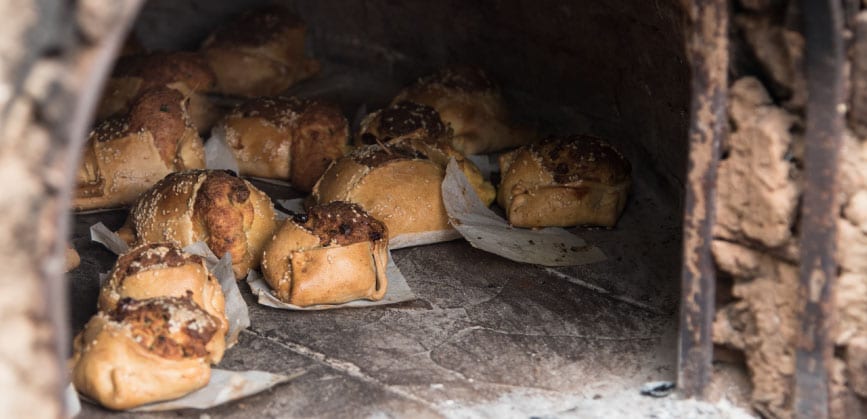
- Maundy Thursday: Families gather to bake “Flaounes,” traditional cheese-filled pastries, and dye eggs red to symbolize Christ’s blood.
- Good Friday: Known as “Epitafios,” the day when people bring flowers to the church to decorate the Holy Sepulchre. In the evening, a solemn procession takes place, creating a poignant atmosphere throughout the neighborhoods.
The Resurrection: Celebrations and Customs
The true essence of Easter unfolds on Holy Saturday and Easter Sunday:
- Holy Saturday: The announcement that Christ has risen prompts the dropping of black veils covering church icons, symbolizing the end of mourning.
- Midnight Service: The resurrection is celebrated at midnight, with candles lit by the Holy Light brought from Jerusalem. Many take this light home to bless their houses.
- Lambratzia: A tradition for children and adults alike, where an effigy of Judas is burned, symbolizing the defeat of betrayal and sin.
Easter Sunday: Feasting and Fellowship
After the solemnity of Holy Week, Easter Sunday is a day of feasting and joy:
- Breaking the Fast: The fast ends with a feast, where the red eggs are cracked in a game to see whose egg will last the longest.
- Traditional Foods: Alongside Flaounes, families enjoy dishes like “Avgolemono” soup, made with chicken, rice, and a lemon-egg mixture, reflecting the balance between fasting and feasting.
Post-Easter: Continuing the Celebration
The festivities in Cyprus extend beyond Easter Sunday:
- Community Gatherings: Traditional games and communal gatherings continue, with children singing Easter songs and exchanging red eggs for treats.
- Cultural Significance: These traditions not only celebrate the resurrection but also strengthen community bonds and showcase the vibrant Cypriot culture.
Easter in Cyprus is a beautiful tapestry of religious devotion, cultural practices, and family traditions. It’s a time when the entire community comes together to reflect, celebrate, and look forward to new beginnings.
Author
Moving Doors Team
Editorial team
Our team shares updates and practical guidance for renters and property owners.